






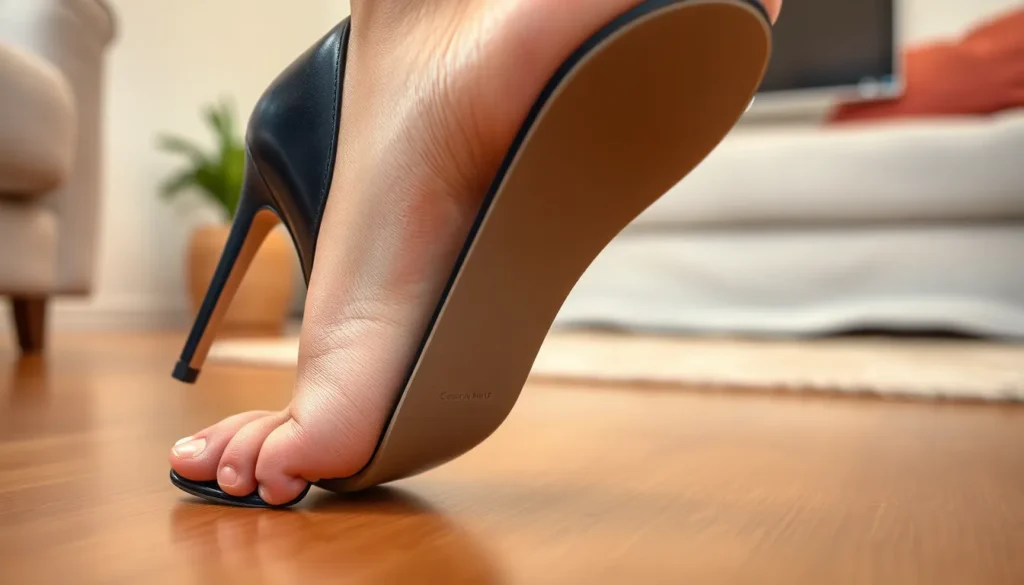
Ever felt like your foot’s auditioning for a role in a horror movie? Enter the corn on the foot—a pesky little growth that can turn even the most casual stroll into a toe-tapping nightmare. These unsightly bumps aren’t just an eyesore; they can also be a source of discomfort that makes you reconsider that cute pair of shoes.
What Is a Corn on the Foot?
A corn on the foot is a thickened area of skin that forms in response to repeated friction or pressure. These growths typically develop on the tops or sides of the toes, as well as on the soles of the feet. A corn consists of a hard center surrounded by inflamed skin. This structure can cause pain and discomfort during activities like walking or wearing shoes.
Corns are often mistaken for calluses, but they differ in several key aspects. While calluses tend to be larger and spread out, corns are smaller and defined with a central core. Individuals typically experience corns due to ill-fitting shoes or abnormal foot mechanics. High-heeled shoes or narrow footwear can contribute significantly to the development of these growths.
Frictions from repetitive motions, such as walking or running, exacerbate the irritation. Individuals may find corns more prevalent in certain foot types or activities. Treatments for corns vary; options include over-the-counter remedies, padding, or professional podiatric interventions.
Ignoring corns can lead to complications, including inflammation and infection. Monitoring any changes in size or discomfort is crucial. Individuals concerned about corns should consult a healthcare provider for tailored advice.
Causes of Corns on the Foot
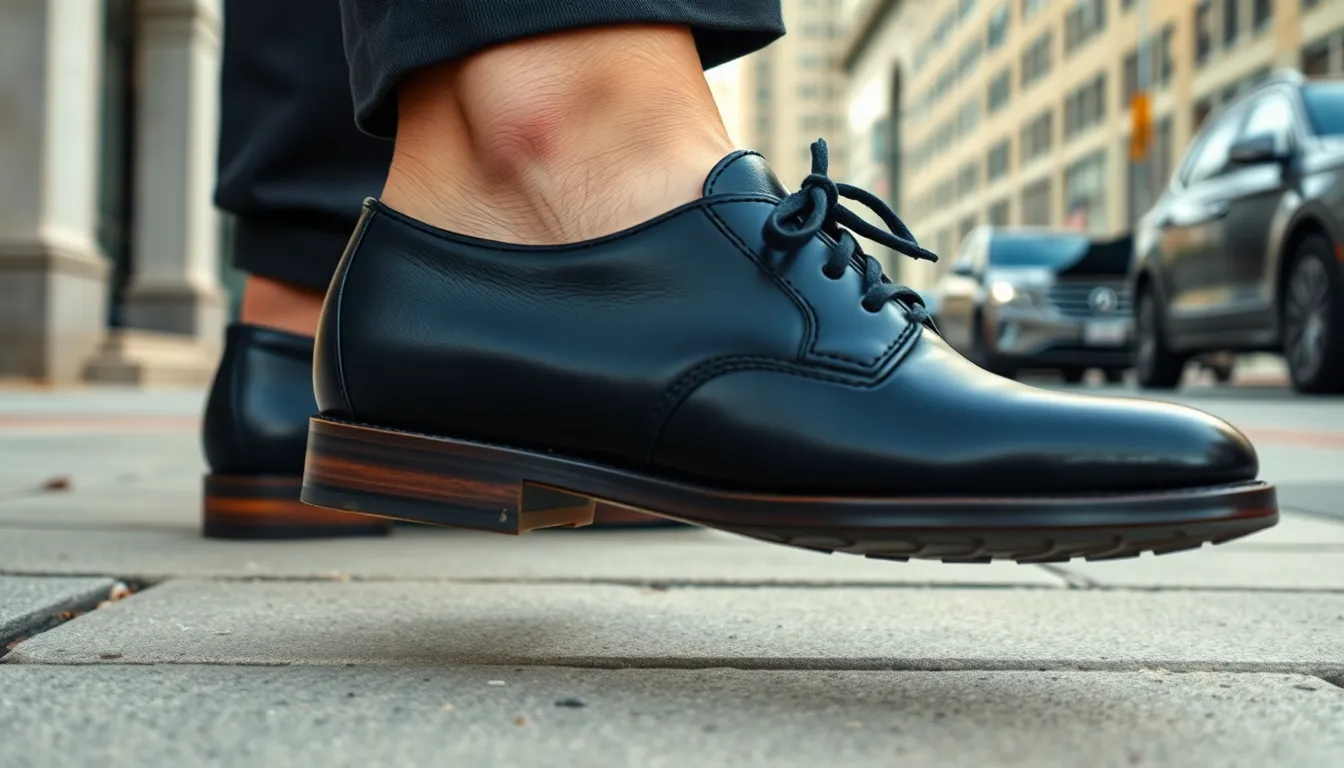
Corns develop due to specific causes. Two primary factors contribute to their formation: friction and poorly fitting footwear.
Friction and Pressure
Friction plays a significant role in corn formation. Repeated rubbing against the skin creates irritation, leading to thickened skin as a protective response. Pressure from activities such as walking or running also contributes to this issue. Areas where bones are prominent often experience more friction, increasing the likelihood of corns. Individuals who engage in high-impact sports may notice an uptick in corn development due to constant movement. It’s essential to address any sources of friction early to prevent corns from worsening.
Poorly Fitting Footwear
Poorly fitting footwear increases the risk of corns significantly. Shoes that are too tight or too loose can rub against the skin, creating friction and pressure points. High-heeled shoes or those with narrow toe boxes often worsen the situation. Shoes that do not provide adequate support can alter foot mechanics, leading to uneven pressure distribution. Regularly wearing improper footwear can result in corn formation, particularly in individuals with unique foot shapes. Choosing the right shoes promotes comfort and reduces the likelihood of developing corns.
Symptoms of Corns
Corns present distinct signs that indicate their presence. These symptoms typically involve visual changes and discomfort.
Physical Appearance
Corns appear as small, raised bumps on the skin, usually with a hard center. They often develop on the tops, sides of toes, or the soles of the feet. The surrounding skin can become inflamed and may take on a yellowish or white hue. Corns vary in size, often depending on the amount of friction or pressure applied. The hardened core of a corn distinguishes it from calluses, which can appear more spread out. Notably, corns can create noticeable irregularities in skin texture, making them easily identifiable during self-examination.
Discomfort Levels
Individuals with corns often experience varying levels of discomfort. Pain may arise when pressure is applied, especially while walking or wearing tight shoes. Sensitivity can increase if the corn becomes inflamed, leading to sharp or throbbing sensations. Some people may find it challenging to find comfortable footwear, as standard shoes may exacerbate their discomfort. Activities that involve prolonged standing or walking can also intensify pain. Monitoring discomfort levels can help individuals determine when to seek treatment or consult a healthcare provider.
Treatment Options
Effective treatment options for corns include home remedies and medical treatments. Addressing corns promptly can prevent complications and enhance comfort.
Home Remedies
Home remedies offer simple and accessible solutions. Soaking the foot in warm, soapy water can soften the corn, making it easier to remove. Gently exfoliating the area with a pumice stone promotes sloughing off dead skin. Applying moisturizing ointments, such as urea or salicylic acid, helps maintain skin softness and reduces friction. Using protective pads or cushions can alleviate pressure from footwear, improving comfort during daily activities. Regular application of these remedies allows individuals to manage symptoms effectively.
Medical Treatments
Medical treatments provide professional interventions for persistent corns. A podiatrist may recommend debridement, removing the thickened skin with a sterile tool. Prescription topical treatments, containing stronger acids, target corn reduction more effectively. In severe cases, surgical options exist to remove bone protrusions contributing to corn development. Regular follow-up ensures monitoring of the corn’s condition, reducing the likelihood of recurrence. Consulting a healthcare provider for tailored treatment options enhances recovery and comfort.
Prevention Strategies
To prevent corns on the foot, it’s essential to adopt proactive measures. Implementing effective strategies can significantly reduce discomfort and enhance foot health.
Choosing the Right Shoes
Selecting appropriate footwear plays a crucial role in preventing corns. Shoes should fit well without causing friction against the skin. Footwear with a wide toe box allows for natural toe movement, reducing pressure points. Sturdy soles provide adequate support, preventing excessive movement of the foot inside the shoe. High heels or narrow designs should be avoided, as they often concentrate pressure on specific areas, leading to corn formation. Prioritizing comfort and fit over style can make a significant difference in foot health.
Foot Care Practices
Regular foot care practices contribute to corn prevention. Keeping feet clean and dry helps maintain skin integrity. Moisturizing daily prevents skin from drying and cracking, which can exacerbate corn formation. Routine inspections for any signs of irritation or pressure points enable early intervention. Exfoliating rough skin gently removes excess buildup, minimizing the risk of corns developing. Using protective pads or cushions inside shoes can also distribute pressure evenly, further protecting vulnerable areas. Engaging in these practices proactively supports overall foot comfort and health.
Corns on the foot can be a significant source of discomfort and frustration. Understanding their causes and symptoms is essential for effective management and prevention. By prioritizing proper footwear and maintaining good foot hygiene, individuals can significantly reduce their risk of developing corns.
Timely treatment options are available for those already affected, ensuring that pain and irritation don’t interfere with daily activities. With awareness and proactive care, it’s possible to maintain healthy feet and enjoy a more comfortable lifestyle.