





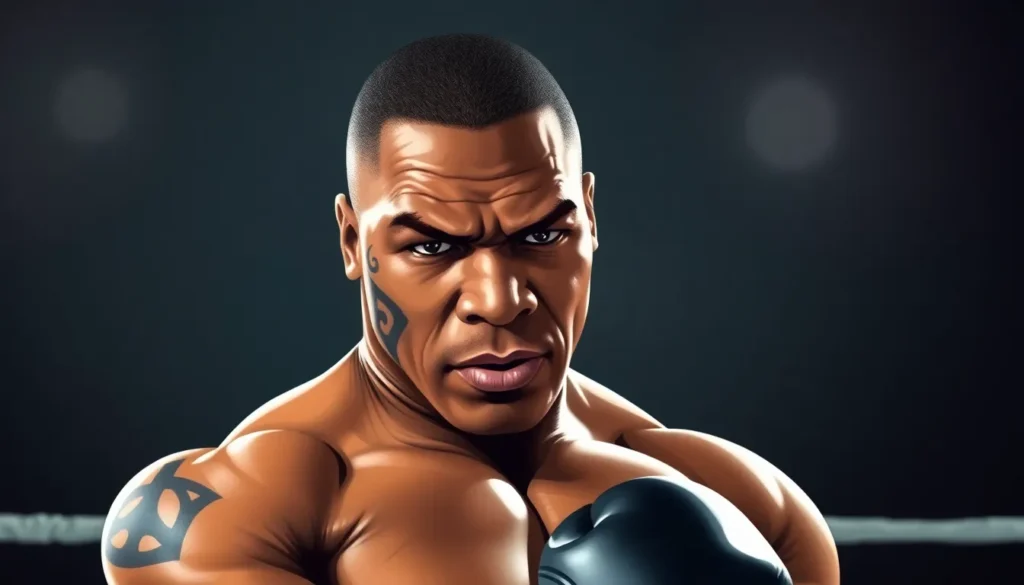
Mike Tyson’s face tattoo is as iconic as his boxing career, sparking curiosity and admiration alike. But when did the former heavyweight champion decide to turn his face into a canvas? This inked masterpiece has a story that goes beyond just aesthetics—it’s a testament to Tyson’s unique personality and life journey.
Imagine stepping into the ring with a fierce look and a tattoo that screams, “I’m here to make history!” Tyson’s tattoo not only added to his fierce persona but also became a symbol of resilience. Dive into the details of when and why this legendary fighter made such a bold choice, and discover how a simple tattoo turned into a cultural phenomenon.
Overview of Mike Tyson’s Tattoo
Mike Tyson’s face tattoo, a vital element of his public image, first emerged in 2003. The tattoo, featuring a prominent tribal design, covers a significant portion of the left side of his face. Many recognize the tattoo as a bold expression of Tyson’s personality and individuality.
Tyson sought out the tattoo as a reflection of his journey and experiences. Initially, he partnered with tattoo artist Victor Whitmill, who crafted the unique design. The choice to tattoo his face coincided with a transformative period in Tyson’s life, representing resilience and defiance against adversity.
Culturally, the tattoo transcends its original intent. Over the years, it has turned into a symbol of strength and determination for many fans and admirers. Tyson’s tattoo has sparked discussions and reflections on personal identity in the realm of sports.
The tattoo aligns with Tyson’s fierce persona, reinforcing his status as a controversial yet iconic figure in boxing history. Its distinctive look continues to attract attention, serving as a conversation starter and a notable feature of his public appearance.
Significantly, Mike Tyson’s tattoo is not just an aesthetic choice; it embodies a narrative of struggle and triumph that resonates beyond the boxing ring. This connection to his life’s journey evokes interest in both his admirers and critics, fostering an ongoing dialogue about its significance.
The Story Behind the Tattoo
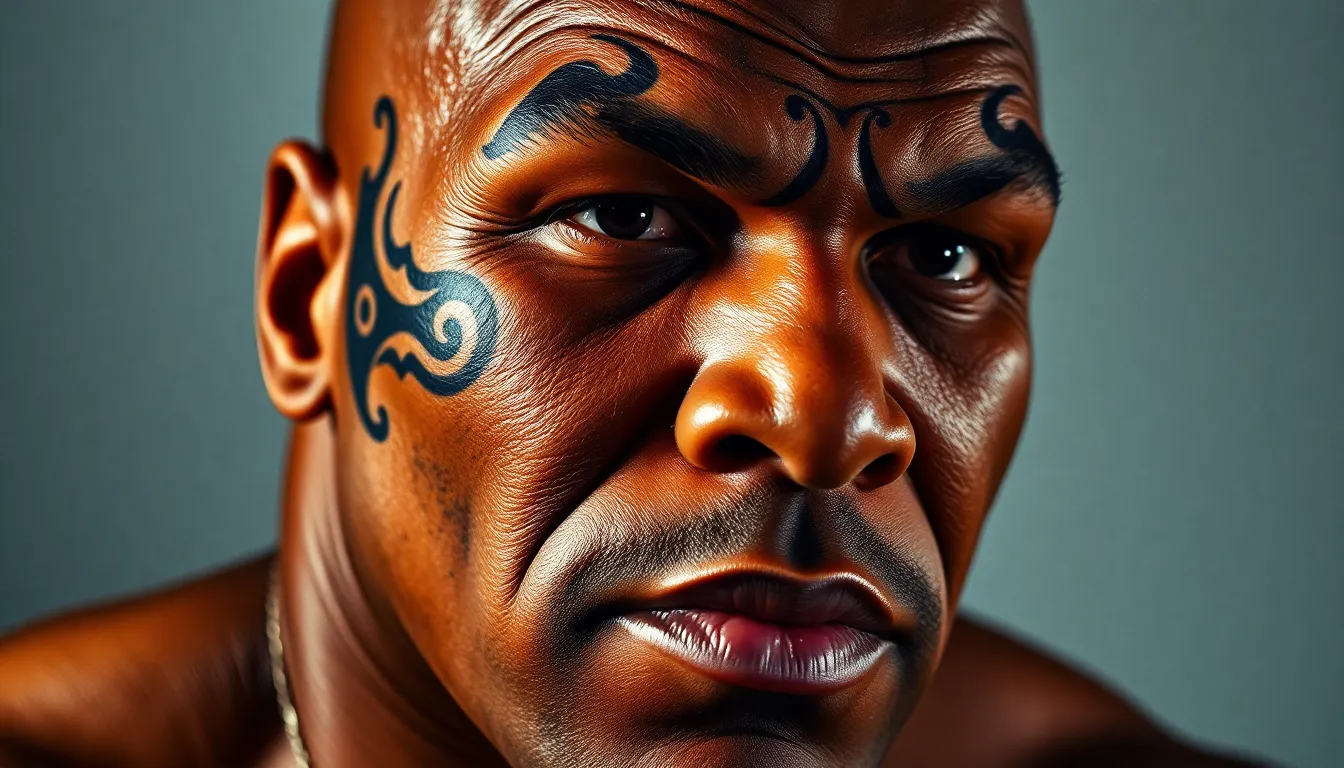
Mike Tyson’s face tattoo tells a compelling story of his personal and professional journey. The tattoo’s design and inspiration reflect a deeper narrative beyond its striking appearance.
Inspiration and Design
Tribal motifs inspired the bold design of Tyson’s tattoo. Victor Whitmill, the tattoo artist, collaborated closely with Tyson to bring this vision to life. Tyson sought a symbolic representation of his identity during a transformative phase, marking a departure from his past. The ink, which covers a large portion of his left cheek and forehead, emerged in 2003. Each swirl and shape carries meaning, emphasizing Tyson’s strength and resilience.
Cultural Significance
Beyond personal expression, Tyson’s tattoo resonates on a cultural level. Its distinctive look became emblematic of defiance and individuality in sports. Fans and critics alike scrutinize the tattoo, shaping discussions about identity in athletics. Over the years, its image inspired many, representing determination and perseverance. Cultural commentary often highlights how Tyson’s tattoo contributes to his controversial yet iconic status in boxing history.
Timeline of Events
Mike Tyson’s tattoo holds a significant place in his life story and public persona. Major events surrounding its creation reveal more about his journey.
Early Life and Boxing Career
In 1966, Mike Tyson was born in Brooklyn, New York. By age 12, he faced challenges, including run-ins with the law and a tumultuous home life. Boxing became a refuge, and at 15, he began training under Cus D’Amato. Tyson’s hard work led to numerous amateur victories, including winning the 1984 Olympic Trials, though he never competed in the Olympics due to his age. His professional debut came in 1985, where he quickly garnered attention. Tyson’s explosive style and power made him the youngest heavyweight champion at 20, achieving legendary status in the boxing world.
The Moment of Getting the Tattoo
In 2003, Tyson decided to get his iconic tattoo. Collaborating with renowned tattoo artist Victor Whitmill, they developed a unique tribal design. The tattoo covers a significant portion of the left side of his face. During this time, Tyson was undergoing personal changes, seeking to redefine himself. The tattoo symbolizes his resilience and defiance against adversity. It became a bold expression of individuality and strength, solidifying Tyson’s fierce persona in the boxing community. Each swirl and shape in the design communicates a deeper narrative of struggle and triumph.
Reactions and Controversies
Mike Tyson’s face tattoo sparked diverse reactions and controversies over the years, with opinions ranging from admiration to criticism.
Public Perception
Many fans view Tyson’s tattoo as a powerful symbol of resilience and self-expression. The tribal design resonates with individuals who appreciate its bold artistry and personal significance. Critics, however, argue that the tattoo detracts from Tyson’s image as a former champion. Some media outlets highlighted how the tattoo’s aggressive appearance might overshadow his accomplishments in boxing. Conversations often center on whether tattoos influence one’s public perception. Interestingly, Tyson’s choice to adorn his face ignited discussions about identity and individuality in sports, prompting a reevaluation of how athletes express themselves.
Media Coverage
Media coverage surrounding Tyson’s tattoo has been extensive, often reflecting widespread public fascination. Newspapers and magazines frequently feature articles dissecting the meaning behind the ink, including interviews with Tyson and those close to him. Documentaries showcased his personal journey, drawing connections between the tattoo and his struggles, both in and out of the ring. Various outlets noted the juxtaposition of Tyson’s fierce persona against the vulnerability captured by the tattoo’s imagery. Social media platforms became hotbeds for debate, with fans passionately defending or critiquing his artistic choice. This extensive media attention has solidified Tyson’s tattoo as an iconic element of his legacy.
Impact on Tyson’s Image
Tyson’s face tattoo significantly shaped his public persona. Many see it as a bold representation of his strength and resilience. The tribal design, which covers a considerable portion of the left side of his face, stands out as a symbol of individualism. This visual statement emerged during a transformative period, which further amplified its meaning.
Reactions to the tattoo vary widely. Some fans embrace it as an inspiring emblem of defiance against adversity. Critics argue it detracts from his image as a former champion, sparking debate about its impact on his legacy. Media coverage often highlights these contrasting viewpoints, showcasing the complexities within public perception.
Cultural discussions about Tyson frequently reference the tattoo, as it reflects broader themes of personal identity in sports. Documentaries and interviews explore the connection between the tattoo and his life experiences. These narratives reveal the juxtaposition of his fierce public persona with the vulnerability expressed in his tattoo.
Social media serves as another forum for debate about the tattoo. Fans and critics alike engage in passionate discussions, which solidify the tattoo’s status as an iconic element of Tyson’s legacy. The continued fascination with this aspect of his image keeps it at the forefront of conversations about him. Overall, Tyson’s tattoo remains a central topic that fuels ongoing dialogue about struggle, identity, and triumph in the context of both his life and career.
Mike Tyson’s face tattoo is more than just body art; it’s a powerful symbol of his journey through adversity and triumph. Since its inception in 2003, the tattoo has sparked conversations about identity and resilience in sports. It encapsulates the essence of Tyson’s fierce persona while also revealing a vulnerable side that resonates with many fans.
The mixed reactions to the tattoo highlight its cultural significance and the ongoing dialogue about personal expression in athletics. As Tyson continues to evolve, his tattoo remains a defining feature of his legacy, representing not only his past struggles but also his enduring strength and individuality.