




In a world where smartphones are practically an extension of our hands and self-driving cars are just around the corner, it’s hard not to marvel at the wonders of space age technology. From the moment humans first gazed at the stars, the dream of reaching them sparked innovations that have transformed everyday life. Who knew that the same tech that helps astronauts navigate the cosmos would also lead to your morning coffee brewing at the perfect temperature?
Overview of Space Age Technology
Space age technology refers to the innovations that emerged from the exploration of outer space. These advancements have not only pushed scientific boundaries but also improved everyday life significantly.
Definition and Significance
Space age technology includes inventions originating from space exploration endeavors. These innovations enhance various sectors, including telecommunications, materials science, and medicine. Examples include satellite technology, which enables GPS navigation and weather forecasting, and advanced materials, such as those used in fire-resistant suits. Such technologies play crucial roles in daily activities, demonstrating the importance of space research in modern life.
Historical Context
The Space Age began in the late 1950s, marked by the launch of Sputnik 1 by the Soviet Union in 1957. This event sparked a technological race between the United States and the Soviet Union. During this period, significant investments in research led to the development of numerous technologies. Innovations like rocket science and computer technology emerged, influencing civilian applications. The Apollo program in the 1960s further propelled developments, shaping future engineering and scientific fields.
Key Developments in Space Age Technology


Space age technology encompasses groundbreaking innovations that derive from space exploration. These advancements have greatly influenced numerous aspects of modern living.
Advancements in Propulsion Systems
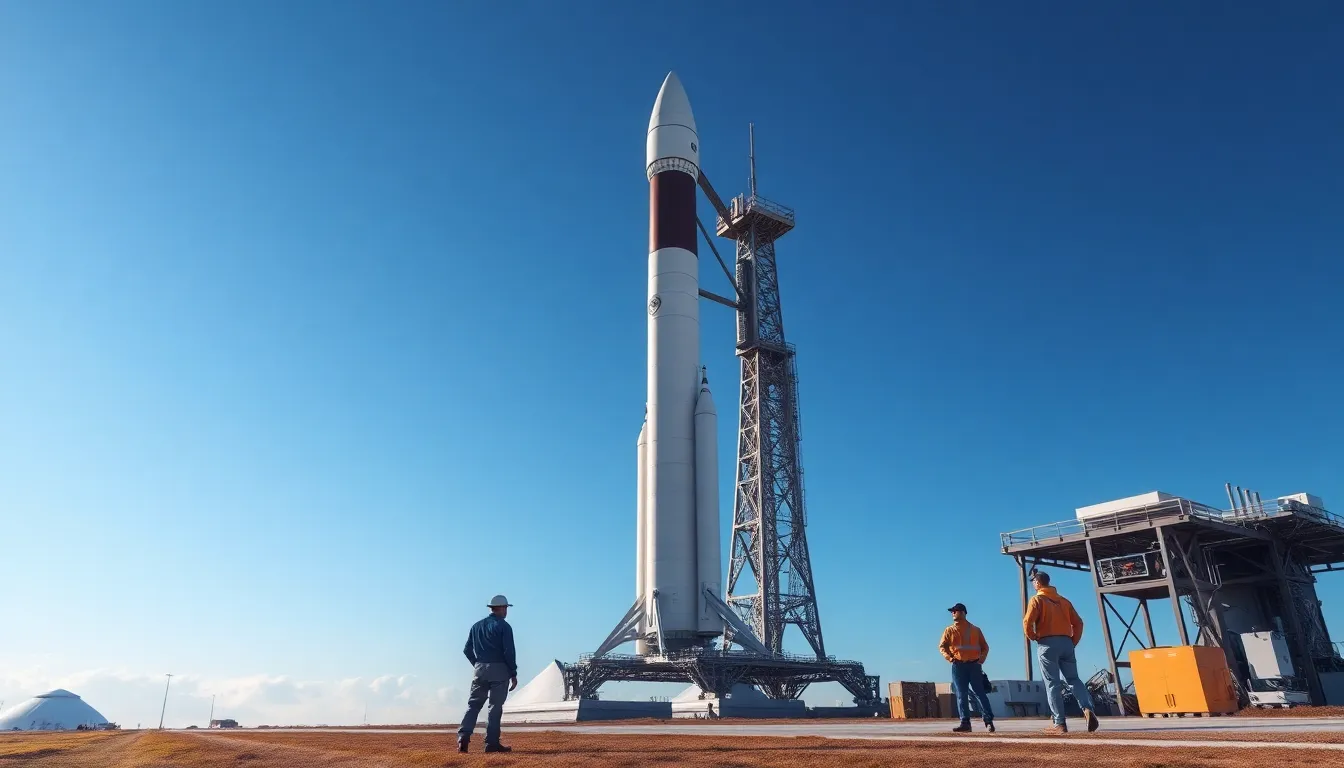
Rocket propulsion systems transformed space travel. Ion propulsion engines provide efficient thrust that enables deep-space missions. Liquid propulsion systems enhance launch capabilities, allowing spacecraft to exit Earth’s atmosphere effectively. The development of reusable rockets further reduces mission costs and increases accessibility to space. Notable examples include SpaceX’s Falcon 9 and NASA’s Space Launch System. These technologies demonstrate a shift towards sustainable space exploration practices, making it easier to transport humans and cargo beyond Earth.
Communication and Navigation Innovations
Communication technology underwent significant advancements during the Space Age. Satellites facilitate global telecommunications, enabling instant communication across vast distances. GPS technology emerged from satellite systems, revolutionizing navigation for both personal and commercial use. Enhanced broadcast capabilities expanded access to information, reshaping media and entertainment. Space-based observatories, such as the Hubble Space Telescope, contribute to scientific understanding, providing valuable data for various fields. These innovations highlight the profound impact of space technology on modern connectivity and navigation systems.
Impact on Everyday Life
Space age technology significantly enhances daily life in various ways. Innovations stemming from the pursuit of outer space exploration influence how people interact with their environment.
Consumer Electronics
Consumer electronics benefit immensely from space age technology. Smartphones, tablets, and GPS devices rely on satellite technologies, enabling instant communication and accurate navigation. Advanced materials developed for space missions enhance device durability, while miniaturization techniques improve performance. Wireless connectivity stems from research into signal transmission, allowing seamless interaction across diverse platforms. Additionally, technologies like touchscreens and high-definition displays trace their origins to developments in space exploration.
Medical Technologies
Medical technologies also see substantial advancements due to space age innovations. Techniques such as telemedicine emerged from the need for remote consultations, providing patients with improved access to healthcare. Additionally, MRI machines utilize principles from space exploration, offering detailed internal imaging. Research in materials science leads to the development of biocompatible materials crucial for implants. Space age technology enhances practices such as telemonitoring, allowing healthcare providers to track patients’ conditions in real-time. These advancements ultimately improve patient outcomes and facilitate better healthcare delivery.
Future of Space Age Technology
Space age technology continues to evolve, paving the way for groundbreaking innovations and addressing challenges. The potential for future developments remains vast.
Upcoming Innovations
Advancements in propulsion technology herald new possibilities for space exploration. Reusable rockets increase mission frequency, reducing costs. Artificial intelligence and machine learning facilitate autonomous spacecraft operation, enhancing mission safety and efficiency. Miniaturized satellite technology makes it possible to deploy constellations that enable global internet coverage. Innovations extend to habitats designed for Mars colonization, which prioritize sustainability and optimize resource use. These upcoming innovations not only promise deeper space exploration but also impact life on Earth.
Challenges and Opportunities
The future presents both challenges and opportunities for space age technology. Budget constraints pose significant hurdles for funding ambitious projects. Conversely, increased private sector investment opens new avenues for collaboration and innovation. Regulatory hurdles concerning space traffic management complicate safe space operations. Establishing international partnerships fosters knowledge sharing and resource pooling. Adapting to environmental concerns related to space debris creates opportunities for developing sustainable practices. Stakeholders must navigate these obstacles to maximize the benefits of emerging technologies.