





Table of Contents
ToggleIn a world where music flows through earbuds and streaming services dominate, the demand for music technology jobs has never been higher. Picture this: someone’s getting paid to mix beats, design soundscapes, or create the next big app that’ll make you the star of your next karaoke night. It’s not just a dream; it’s a thriving career path that blends creativity with cutting-edge technology.
Whether you’re a tech whiz who can code a symphony or a sound engineer who knows how to make a guitar sing, there’s a place for you in this exciting industry. From audio production to music software development, the opportunities are as diverse as the playlists on your favorite streaming platform. So, grab your headphones and get ready to explore a world where passion meets innovation, and your love for music can turn into a rewarding career.
Overview of Music Technology Jobs
Music technology jobs represent a diverse range of opportunities in an evolving industry. Roles include sound designers, audio engineers, and software developers. Each position offers unique responsibilities and skill requirements.
Sound designers create and manipulate audio elements for films, games, and music. They utilize various tools for crafting soundscapes that enhance the audience’s experience. Audio engineers focus on recording, mixing, and mastering tracks, ensuring high-quality sound production. Their expertise is crucial for the final output of music and audio for various media.
Developers of music applications also play a vital role in the industry. These professionals design software that allows users to create, edit, and share music easily. Knowledge of coding and user interface design is essential for success in this area.
Education in music technology often includes programs in sound engineering, computer science, and music production. Many universities offer degrees that equip students with both technical knowledge and creative skills. Internships and hands-on experience further enhance employability in these competitive roles.
The industry continues to grow, driven by advancements in digital technology. Streaming platforms and home recording setups have created a surge in demand for skilled professionals. Individuals with a passion for music and a strong technical background can excel in this dynamic field.
Music technology jobs encompass a variety of creative and technical roles that contribute to the music industry’s evolution. This expands opportunities for both experienced professionals and newcomers eager to make their mark.
Skills Required for Music Technology Jobs
Music technology jobs require a blend of technical proficiency and interpersonal abilities. Candidates need to understand both the artistic and technical aspects of the industry.
Technical Skills
Audio editing software knowledge is critical for roles in sound design and engineering. Familiarity with platforms like Pro Tools or Ableton Live enhances a candidate’s marketability. Understanding music theory assists in creating compelling soundscapes. Coding skills improve a developer’s competence in designing music applications. Familiarity with hardware, including mixing consoles and soundboards, also plays a significant role in live sound scenarios. Networking skills, particularly with virtual instruments, can further increase effectiveness in various roles.
Soft Skills
Creativity fuels the development of innovative music technologies and captivating sound designs. Communication skills enable effective collaboration among team members and clients, ensuring everyone is aligned on vision and goals. Adaptability allows professionals to navigate the rapidly changing landscape of music technology. Problem-solving skills are crucial when addressing technical issues that arise during production or development. Finally, time management ensures that projects meet deadlines without compromising quality. Prioritizing these soft skills can vastly improve a candidate’s success in the industry.
Types of Music Technology Jobs
Music technology encompasses various career paths that blend creativity and technical skills. The following roles illustrate the diversity of opportunities in this vibrant industry.
Audio Engineer
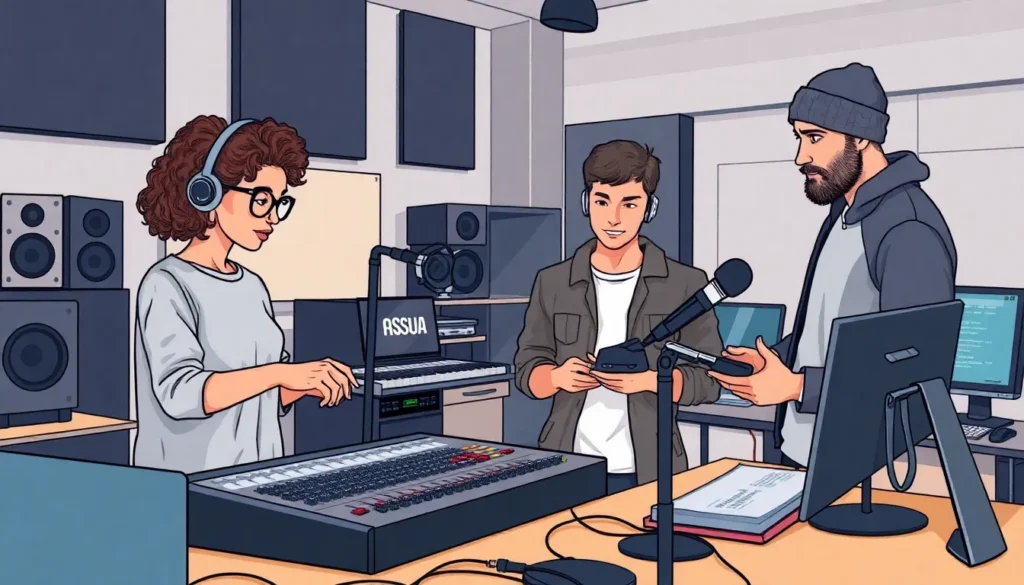
Audio engineers specialize in capturing and manipulating sound. They focus on recording, mixing, and mastering music tracks for different formats. Experience with audio editing software such as Pro Tools or Ableton Live is essential for this role. Attention to detail is critical, as engineers ensure the highest sound quality. Additionally, familiarity with microphones, mixing consoles, and acoustics enhances an engineer’s expertise. Many professionals enter this field through degrees in sound engineering or music production, often gaining hands-on experience in studios or during internships.
Music Producer
Music producers oversee the entire music production process. They collaborate closely with artists to shape the sound and direction of a project. From arranging and recording to mixing and mastering, producers handle multiple aspects of creating a track. A solid understanding of music theory and genre trends helps producers guide their clients effectively. Additionally, skills in budgeting and project management are crucial for maintaining timelines and resources. Many successful producers have backgrounds in audio engineering, enabling them to navigate both the creative and technical components of music production.
Sound Designer
Sound designers craft and manipulate audio elements for various media forms, including film, games, and music. They create unique soundscapes to enhance the audience’s experience. Proficiency in digital audio workstations and sound synthesis tools is vital for success in this role. Artists often rely on sound designers to generate specific effects or create atmosphere, requiring a deep understanding of audio properties. Collaborating with directors and game developers can lead to innovative sound applications. A degree in sound design or related fields, coupled with a strong portfolio, often opens doors in this competitive job market.
Industry Trends in Music Technology
The music technology industry continues to evolve, influenced significantly by various trends. These trends shape career opportunities and skill demands in this vibrant field.
Impact of Streaming Services
Streaming services fundamentally changed how people access and consume music. Artists now prioritize digital releases to reach wider audiences swiftly. As a result, music technology jobs focus more on data analytics and user engagement strategies. Professionals analyze listener habits to optimize streaming offerings. Careers in digital marketing and data management see increased demand alongside traditional roles in sound production. The rise of playlists also drives the need for curators who understand audience preferences. Those equipped with skills in audience analysis find themselves better positioned in this competitive landscape.
Advances in Software and Hardware
Recent advancements in software and hardware are reshaping music production processes. Tools like digital audio workstations (DAWs) have become more powerful and accessible. These innovations allow producers and engineers to create high-quality sound with greater efficiency. Hardware developments, such as advanced audio interfaces, enhance recording capabilities significantly. Musicians benefit from streamlined workflows and enhanced creative options. Integration of artificial intelligence in music creation software leads to personalized user experiences. Professionals familiar with these technologies gain a competitive edge, as employers increasingly seek individuals who can leverage the latest tools effectively.
The landscape of music technology jobs is rich with opportunity for those passionate about merging creativity with innovation. As the industry evolves with advancements in digital tools and platforms, professionals equipped with the right skills are poised to thrive. Whether one’s interest lies in sound design, audio engineering, or app development, there’s a niche for every talent.
With the continuous growth of streaming services and emerging technologies, the demand for skilled individuals is only set to increase. By embracing both technical and soft skills, aspiring professionals can carve out successful careers in this dynamic field, making their mark on the future of music.