
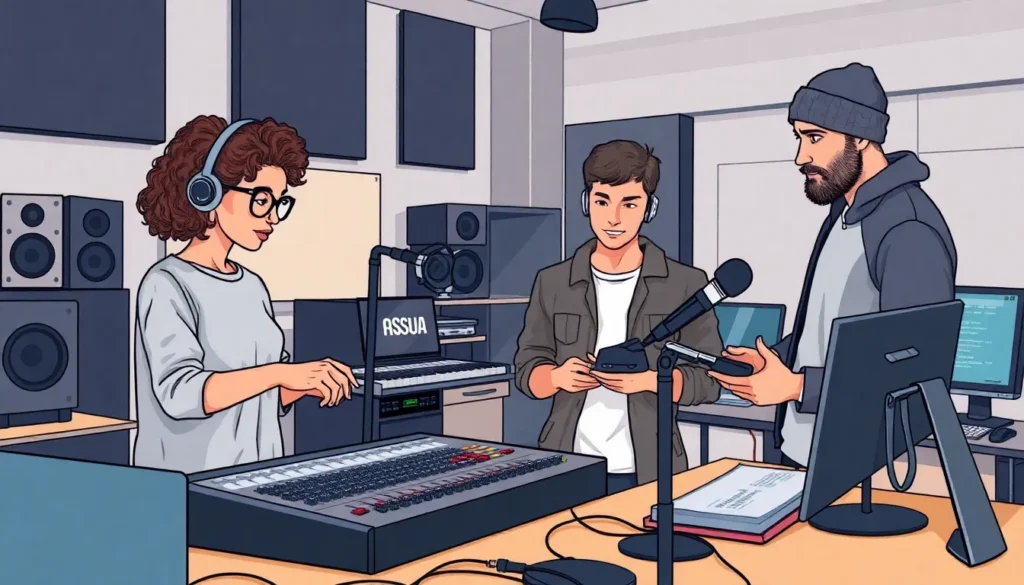



In a world where everyone’s a budding podcaster, musician, or vlogger, the right recording equipment can make or break the magic. Think of it as your secret sauce; without it, your masterpiece might just sound like a cat in a blender. Whether you’re aiming for crystal-clear audio or studio-quality sound, choosing the right gear is crucial.
Overview Of Recording Equipment
Recording equipment encompasses various tools used to capture audio, including microphones, audio interfaces, and mixers. Selecting the right gear significantly impacts the quality of the final product.
Definition Of Recording Equipment
Recording equipment refers to devices that capture and produce sound. Examples include dynamic microphones for vocals, condenser microphones for instruments, and portable recorders for on-the-go recording. Other instruments, such as interfaces and mixers, enhance sound manipulation. Each type of equipment serves a specific purpose, assisting creators in achieving desired audio quality.
Importance Of Quality Recording
Quality recording matters for multiple reasons. Clear sound enhances listener experience and engages audiences effectively. Poor-quality recordings can lead to misunderstandings or diminished interest. Professionalism often hinges on audio clarity, influencing a creator’s reputation. Consistent quality in recordings builds trust with listeners, establishing credibility in a competitive landscape.
Types Of Recording Equipment
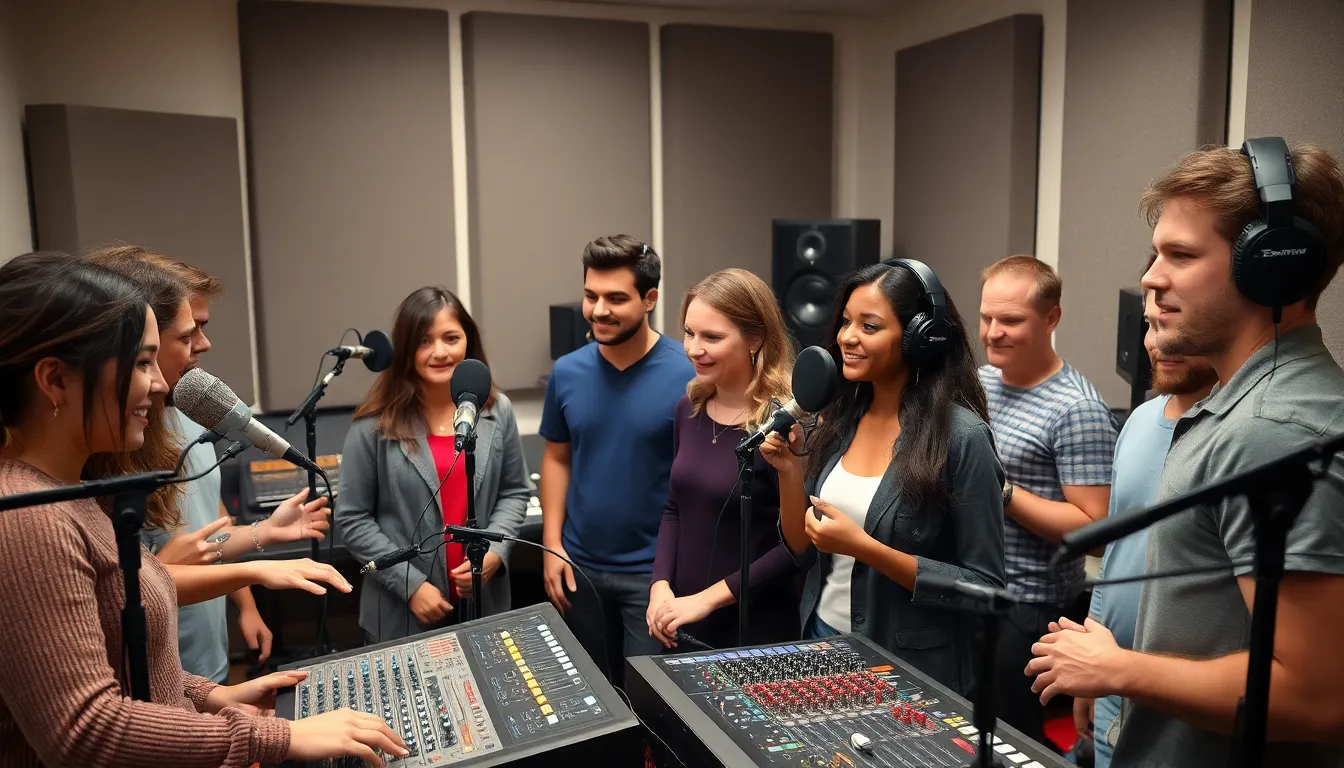
Choosing the right types of recording equipment enhances audio quality, contributing to the overall production value. Various categories exist, each serving a specific purpose.
Microphones
Microphones capture sound waves and convert them into electrical signals. Dynamic microphones excel in live performances, as they handle high sound pressure levels. Condenser microphones, conversely, are sensitive and ideal for studio recordings, capturing nuanced detail. Lavaliers provide versatility for on-the-go interviews. USB microphones, popular among podcasters, connect directly to computers, streamlining the recording process. Selecting the appropriate microphone significantly influences sound clarity.
Audio Interfaces
Audio interfaces serve as the bridge between microphones and computers. They digitize analog sound, ensuring professional-quality recordings. Models vary in features, from basic two-channel interfaces to those offering multiple input options. Preamp quality impacts overall sound, enhancing clarity and warmth. USB and Thunderbolt connections contribute to low latency, aiding real-time monitoring during recording sessions. Choosing a suitable audio interface ensures the best audio fidelity for any project.
Mixers
Mixers blend multiple audio signals, allowing precise control over volume and tone. They facilitate adjustments during recording, contributing to a polished final product. Analog mixers provide tactile control, while digital mixers offer versatility and advanced features. Both types allow for effects processing, and some models integrate with software for easier editing. Effective use of mixers enables balanced sound and enhances the overall listening experience.
Headphones
Headphones play a crucial role in monitoring recordings accurately. Closed-back headphones, widely used in studio settings, prevent sound leakage and provide isolation. Open-back headphones offer a natural listening experience, suitable for mixing and mastering. Comfort and sound quality impact extended usage, so selecting appropriate headphones is key. Good monitoring headphones help identify issues in recordings, ensuring professional audio quality is achieved.
Key Features To Consider
Selecting the right recording equipment involves several critical features that affect overall performance.
Sound Quality
Sound quality stands out as a top priority. Clarity, depth, and richness in recordings directly impact listener experience. Dynamic microphones excel in live settings, capturing sound accurately amidst noise. Condenser microphones enhance studio recordings, delivering detailed sound. The choice of audio interface affects sound fidelity, ensuring high-resolution audio through quality converters. Monitoring through headphones also influences sound perception, helping users detect imperfections. For instance, using closed-back headphones during recordings minimizes external interference. Engaging with various gear helps in understanding their sound characteristics, ultimately leading to better recording decisions.
Portability
Portability significantly influences equipment choice, especially for creators on the move. Lightweight microphones, like USB models, provide convenience for podcasters and vloggers. Battery-operated portable recorders enable high-quality recordings in any environment. Small audio interfaces offer flexibility, easily fitting in laptop bags or briefcases. Some mixers are designed with portability in mind, allowing convenient setup and breakdown. Travel-friendly gear can help meet demands of different recording locations, ensuring that high-quality sound remains consistent. Creators who prioritize mobility often find versatile gear invaluable for diverse projects.
Durability
Durability plays a vital role in equipment selection, particularly for those in dynamic environments. Rugged construction is essential for microphones exposed to frequent handling. An audio interface with a solid chassis withstands bumps during transport. Portable recorders can face various conditions, requiring robust designs to ensure longevity. Mixers suitable for live settings often include protective features against wear and tear. Investing in durable gear assures creators that their equipment will perform consistently, regardless of the circumstances. It’s essential to choose gear that aligns with individual usage patterns while maintaining high performance over time.
Price Range
Price range significantly affects recording equipment choices. Budgets vary widely among creators, each requiring a tailored approach. Entry-level options often provide decent sound quality, making them suitable for beginners. Mid-range equipment offers better features, striking a balance between quality and affordability. Professional-grade gear commands higher prices, reflecting advanced technology and build quality. Assessing features against budget is crucial for achieving desired outcomes. Understanding market prices helps in making informed decisions, ensuring creators find equipment that meets their specific needs without overspending.
Recommendations For Different Use Cases
Choosing the right recording equipment depends significantly on the intended use. Consider the following categories for optimal results.
Home Studio Setup
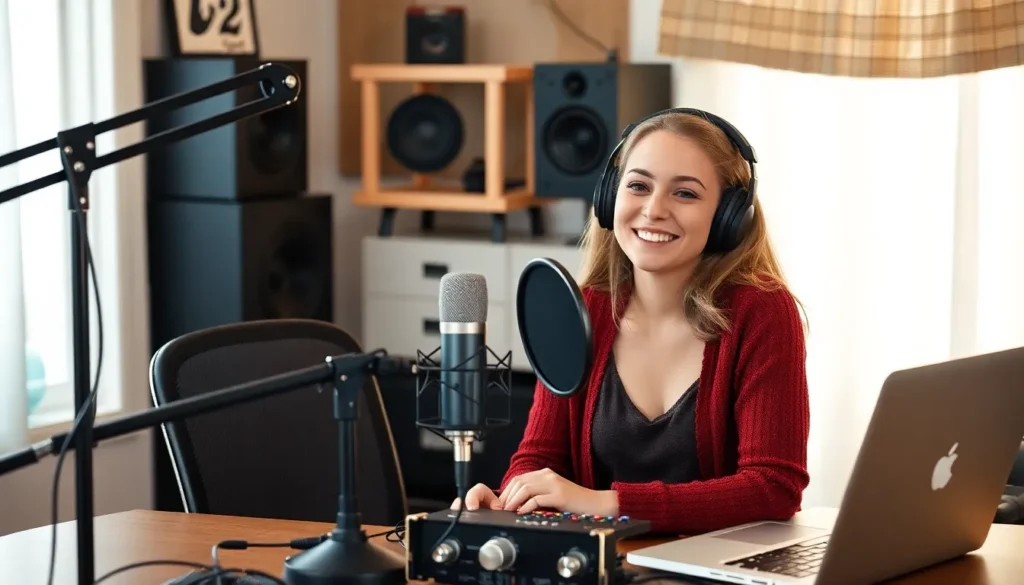
Setting up a home studio requires thoughtful selection of gear. Condenser microphones capture nuanced details, making them ideal for vocal recordings. An audio interface connects microphones to computers, enhancing sound quality. A versatile mixer helps balance levels and fine-tune audio. Closed-back headphones ensure accurate monitoring without bleed. Each piece contributes to creating a professional audio experience within the comfort of home.
On-the-Go Recording
Portability is essential for creators who record on the move. Lightweight handheld recorders offer convenience without compromising quality. Lavalier microphones easily attach to clothing, providing hands-free operation. Compact audio interfaces facilitate quick setups with minimal hassle. Battery-operated options ensure recording remains uninterrupted during travel. These tools empower creators to capture high-quality sound anywhere.
Professional Studio Use
In a professional studio environment, superior sound quality takes precedence. High-end condenser microphones excel in capturing studio vocals and instruments. Advanced audio interfaces with multiple inputs accommodate various sources simultaneously. Digital mixers provide extensive control over sound mixing and effects. Studio-grade monitors offer precise audio playback for mixing decisions. Investing in top-tier equipment amplifies the overall production quality, reflecting the creator’s artistic vision.
Selecting the right recording equipment is a pivotal step in producing high-quality audio. Creators across various fields must prioritize sound clarity and equipment suitability to enhance their projects. With the right gear in hand they can elevate their content and engage their audiences effectively.
Investing in quality microphones audio interfaces and mixers tailored to specific needs not only improves the listening experience but also builds a creator’s reputation. As technology evolves staying informed about the best options ensures that creators can adapt and thrive in a competitive landscape. Ultimately the right recording equipment becomes a powerful ally in achieving professional results.