







In a world where everyone’s chasing the perfect sound, balanced audio technology stands out like a superhero in a sea of sidekicks. It’s not just about cranking up the volume or blasting your favorite tunes; it’s about delivering clarity and precision that makes every note feel like it’s singing directly to your soul. Imagine enjoying music without that annoying hiss or hum—sounds like a dream, right?
Understanding Balanced Audio Technology
Balanced audio technology significantly improves sound quality, emphasizing clarity and precision in audio reproduction. Discovering its principles reveals the foundation for superior listening experiences.
What Is Balanced Audio Technology?
Balanced audio technology refers to a method of audio signal transmission that minimizes interference and noise. Utilizing two identical signals, it sends one normally while inverts the other. Recombining these signals at the receiving end cancels out any noise picked up along the way. This method enhances sound quality, making it ideal for professional audio setups. Audiophiles appreciate balanced connections for their ability to preserve dynamic range and detail.
Key Components of Balanced Audio Systems
Balanced audio systems consist of several key components. They typically include balanced cables, connectors, and interfaces. XLR and TRS connectors represent common balanced audio connections, designed to reduce electromagnetic interference. High-quality cables ensure that the audio signal remains intact despite long runs. Additionally, mixers and audio interfaces with balanced inputs help maintain channel integrity, yielding richer, fuller sound. Each component fulfills a crucial role in delivering exceptional audio performance.
Benefits of Balanced Audio Technology
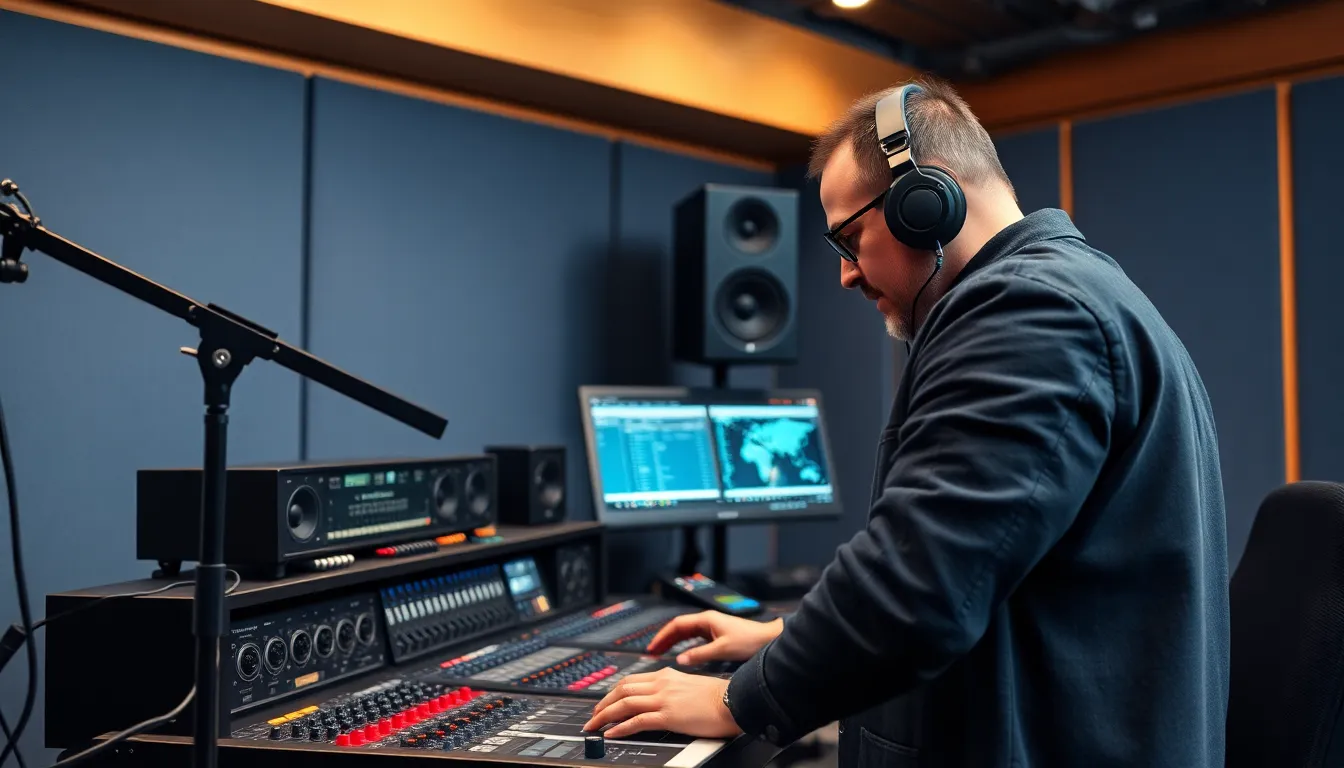
Balanced audio technology offers significant advantages that enhance sound quality and listening experiences. Key benefits include noise reduction capabilities and enhanced signal integrity.
Noise Reduction Capabilities
Balanced audio systems excel in minimizing unwanted noise. This technology employs two identical signals: one standard and one inverted. Interference encountered during transmission gets canceled out effectively. Environments with high electromagnetic interference benefit greatly from this method, as it prevents sound degradation. Professionals rely on balanced audio for clarity in recordings and live performances. Audiophiles appreciate the clean sound without distractions. High-quality cables play an essential role in achieving these noise reduction benefits, ensuring listeners enjoy pure audio.
Enhanced Signal Integrity
Signal integrity sees substantial improvement with balanced audio technology. Two signals working together provide a robust audio experience. Any noise introduced during transmission is mitigated, maintaining the original sound’s quality. Balanced cables, like XLR and TRS, are specifically designed for this purpose. They help preserve dynamic range and detail throughout the audio signal path. Equipment with balanced inputs, such as mixers and amplifiers, also contributes to this enhanced integrity. Consequently, users experience a richer sound with greater depth and clarity, making balanced technology a preferred choice for audio enthusiasts and professionals alike.
How Balanced Audio Technology Works
Balanced audio technology relies on a clever design to optimize sound quality. This design minimizes noise and interference through a specific method of signal transmission.
Signal Path in Balanced Systems
Balanced systems use a unique signal path that features two identical signals, one normal and one inverted. This arrangement allows for the cancellation of noise that might enter during transmission. When the two signals combine at the receiving end, any interference becomes null, resulting in a clear audio output. Balanced systems excel at preserving the dynamic range, ensuring that every detail within the sound is maintained. Signals travel through balanced cables, reducing distortion and enhancing clarity in the audio.
Common Connection Types
Several connection types are commonly used in balanced audio systems. XLR connectors represent the industry standard, often found in professional audio setups. TRS connectors also play a significant role, popular in both consumer and professional audio equipment. These connections help reduce electromagnetic interference, contributing to high-quality sound reproduction. Adapters are available for various applications, expanding compatibility with other devices. Each connection type ensures that balanced audio technology remains effective in minimizing noise and preserving sound quality.
Applications of Balanced Audio Technology
Balanced audio technology finds extensive application across various domains, enhancing sound quality and clarity. Its benefits are evident in multiple settings, from professional studios to home audio systems.
Professional Audio Equipment
Balanced audio technology serves as the backbone of professional audio equipment. It optimizes sound in recording studios and live performance venues. Engineers rely on XLR and TRS connectors to minimize noise and interference, ensuring pristine audio capture. High-end mixers featuring balanced inputs maintain signal integrity to deliver immersive sound. This technology also enhances microphones and instruments, allowing for greater detail and dynamic range. Professionals favor balanced setups for their ability to reduce unwanted noise, making performances and recordings sound exceptional.
Home Audio Systems
Home audio systems increasingly incorporate balanced audio technology for superior listening experiences. Many audiophiles choose balanced connections to eliminate noise in their setups. Utilizing balanced cables improves overall sound quality in music playback and movie watching. Systems with balanced inputs provide a richer, more detailed audio profile, enhancing clarity at various volumes. Users appreciate the benefits of reduced interference, especially in rooms with electronic devices. Integrating balanced audio components leads to an immersive environment, ensuring an enjoyable listening experience at home.
Balanced audio technology stands as a pivotal advancement in sound quality. By effectively minimizing noise and interference it transforms the listening experience for both professionals and audiophiles. This technology not only enhances clarity and detail but also preserves the integrity of audio signals.
With its applications spanning recording studios to home audio systems balanced audio ensures that every note is delivered with precision. As more listeners seek high-quality sound experiences the adoption of balanced systems will likely continue to grow. Embracing this technology can lead to a richer more immersive audio journey.