






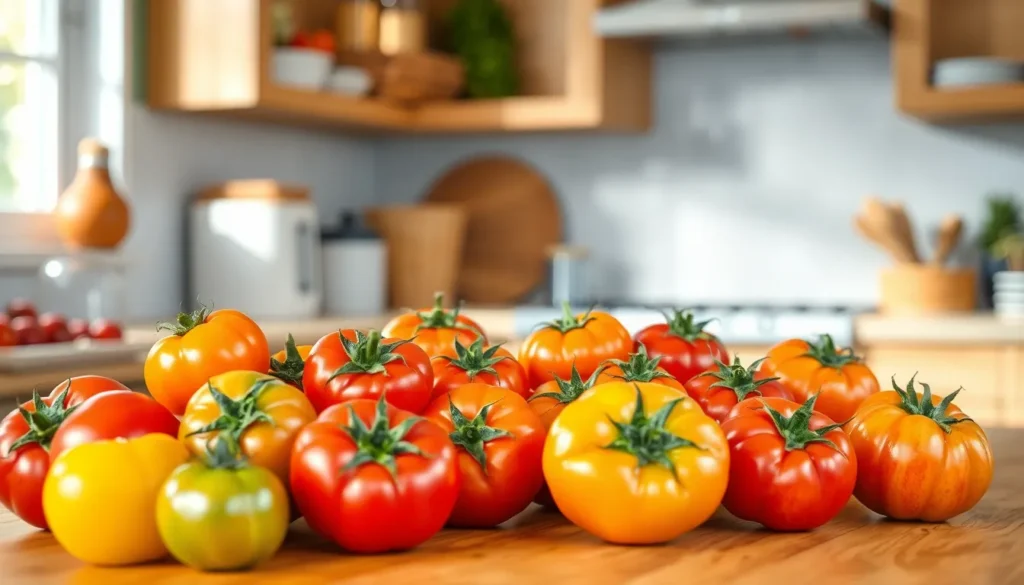
Tomatoes are the culinary rock stars of the vegetable world, but there’s a debate that could rival any reality TV showdown: should they hang out in the fridge or bask in the glory of the countertop? While some insist on chilling their tomatoes to keep them fresh, others argue that this is a surefire way to ruin their flavor and texture.
Understanding Tomato Storage
Storing tomatoes properly ensures maximum flavor and quality. Keeping tomatoes at room temperature preserves their natural taste and texture. Refrigeration can alter their flavor profile, leading to a mealy texture. Therefore, many experts recommend countertop storage for optimal results.
Humidity and temperature play significant roles in tomato storage. A cool but not cold environment, ideally around 55°F to 70°F, maintains freshness without compromising flavor. If tomatoes display under ripe coloration, leaving them on the countertop allows them to ripen naturally.
Plastic bags or closed containers trap moisture, resulting in rotting. Instead, it’s beneficial to place tomatoes stem-side up on a plate or in a bowl, promoting air circulation. Avoid direct sunlight and opt for a well-ventilated space, such as a pantry or countertop.
Once tomatoes begin to show signs of overripening, using them immediately is ideal. For recipes or sauces, overripe tomatoes can still be valuable. However, if some need refrigeration due to overripe conditions, placing them in the fridge is acceptable but only for short periods.
Freezing unpeeled tomatoes is an option for long-term storage. This practice retains flavors for later use but may affect texture when thawed. Employing this method ensures the fruit is preserved without unnecessary waste in the kitchen.
When it comes to choosing storage methods, personal preference can also influence decisions. It’s worthwhile to experiment with different methods to discover what works best for individual taste.
The Science Behind Tomato Ripening
Tomatoes undergo a complex ripening process influenced by various factors. Understanding this process is essential to determine the best storage method.
Ethylene Production
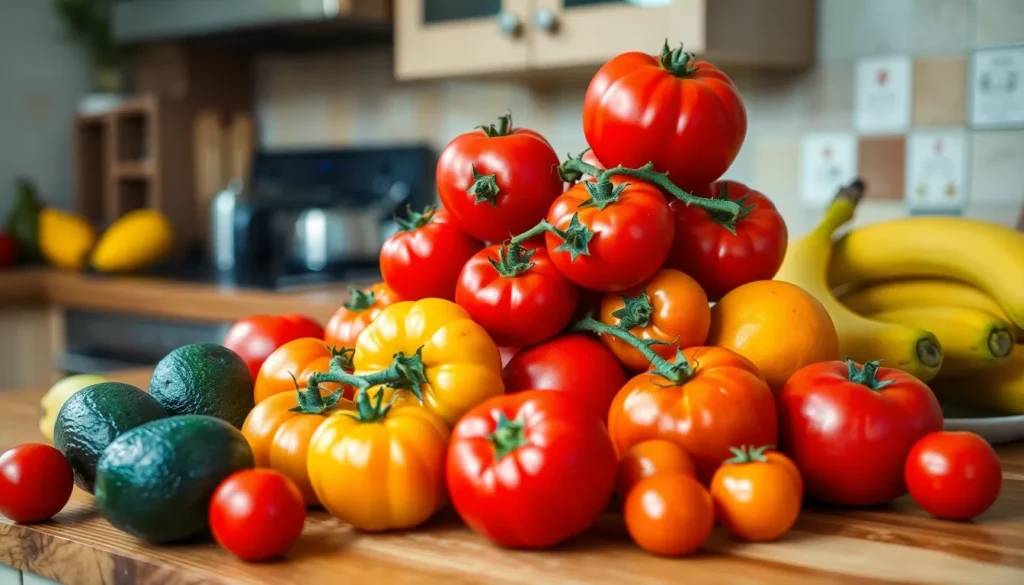
Tomatoes produce ethylene, a natural plant hormone that regulates ripening. Higher ethylene levels accelerate the ripening process. Ripe tomatoes emit more ethylene compared to their unripe counterparts. Keeping unripe tomatoes in a well-ventilated area allows them to ripen properly. Exposure to other ethylene-producing fruits, like bananas or avocados, can also hasten ripening. When storing tomatoes, consider separating them from other fruits to control ethylene exposure. By managing ethylene levels, optimal flavor and texture can be achieved.
Temperature Effects
Temperature plays a crucial role in tomato ripening. Cooler temperatures, especially below 50°F, can disrupt the natural ripening process. This disruption may lead to a loss of flavor and texture. Storing tomatoes at room temperature between 55°F and 70°F encourages proper ripening. This environment maintains the fruit’s desirable qualities while preventing premature spoilage. Refrigeration may be suitable for short-term storage, but it limits flavor development. Ultimately, understanding temperature effects aids in making informed storage decisions for tomatoes.
Pros of Refrigerating Tomatoes
Refrigerating tomatoes offers distinct advantages for maintaining quality.
Preservation of Freshness
Refrigeration slows down the degradation process, which helps keep tomatoes looking fresh for longer. Lower temperatures inhibit the growth of mold and bacteria, reducing spoilage risk. Keeping tomatoes in the fridge can also preserve their firmness, preventing overly soft spots that commonly occur at room temperature. For individuals who purchase tomatoes in bulk, refrigeration becomes an effective strategy to maintain their visual appearance and texture. This method helps consumers enjoy tomatoes over an extended period without sacrificing quality.
Extended Shelf Life
Storing tomatoes in the fridge can significantly extend their shelf life. When placed in cooler environments, the ripening process slows considerably. Research shows that refrigerated tomatoes can last up to three times longer compared to those left out on countertops. Fresh tomatoes typically last about five to seven days at room temperature, while refrigeration can preserve them for two to three weeks. For those who enjoy using tomatoes in various recipes, this extended freshness supports meal planning and reduces waste effectively.
Cons of Refrigerating Tomatoes
Refrigerating tomatoes may seem beneficial, but it carries distinct drawbacks. Flavor suffers significantly due to cold storage, as the chilly temperatures inhibit the development of natural sugars and acids. Lower temperatures also slow the release of volatile compounds, which contribute to the complex taste of ripe tomatoes. Without these essential compounds, tomatoes can taste bland and less appealing.
Texture changes also occur with refrigeration. Cold temperatures can disrupt the cell structure, leading to a mealy or mushy consistency. Some tomatoes develop undesirable soft spots, compromising their overall quality. Refrigeration halts the ripening process completely, impacting both flavor and texture negatively. These effects make room temperature storage a preferable option for maintaining the fruits’ natural qualities.
Best Practices for Storing Tomatoes
Storing tomatoes correctly maintains their flavor and quality. Proper techniques focus on temperature and ripening to ensure the best taste and texture.
Ripening Techniques
Allowing tomatoes to ripen naturally enhances their flavor. Place them in a well-ventilated area, avoiding direct sunlight. Separating unripe tomatoes from ethylene-producing fruits like bananas helps control ripening. To accelerate the process, keeping them in a paper bag can contain ethylene gas produced by the tomatoes themselves. Once ripe, use tomatoes promptly to enjoy the peak flavor. For those struggling with excess ripe tomatoes, incorporating them into recipes preserves their essence and reduces waste.
Ideal Temperatures for Storage
Room temperature serves as the ideal storage condition for tomatoes. Maintaining temperatures between 55°F and 70°F promotes natural ripening and flavor development. Cooler temperatures disrupt ripening while temperatures below 50°F can diminish flavor and texture. Refrigeration may be necessary for overripe tomatoes but can negatively impact taste and texture. Striking the right balance between temperature and storage method keeps tomatoes flavorful and firm for extended periods. Following these guidelines ensures enjoyment of tomatoes at their best quality.
Choosing the right storage method for tomatoes is essential for enjoying their full flavor and quality. While refrigeration can extend shelf life and prevent spoilage, it often compromises taste and texture. Storing tomatoes at room temperature in a well-ventilated area allows them to ripen naturally and maintain their delightful characteristics.
Understanding the science behind ripening and ethylene production can further enhance the tomato experience. Ultimately, personal preference plays a significant role in storage choices. By experimenting with different techniques, individuals can discover the best way to enjoy their tomatoes, reducing waste and maximizing flavor in every dish.