

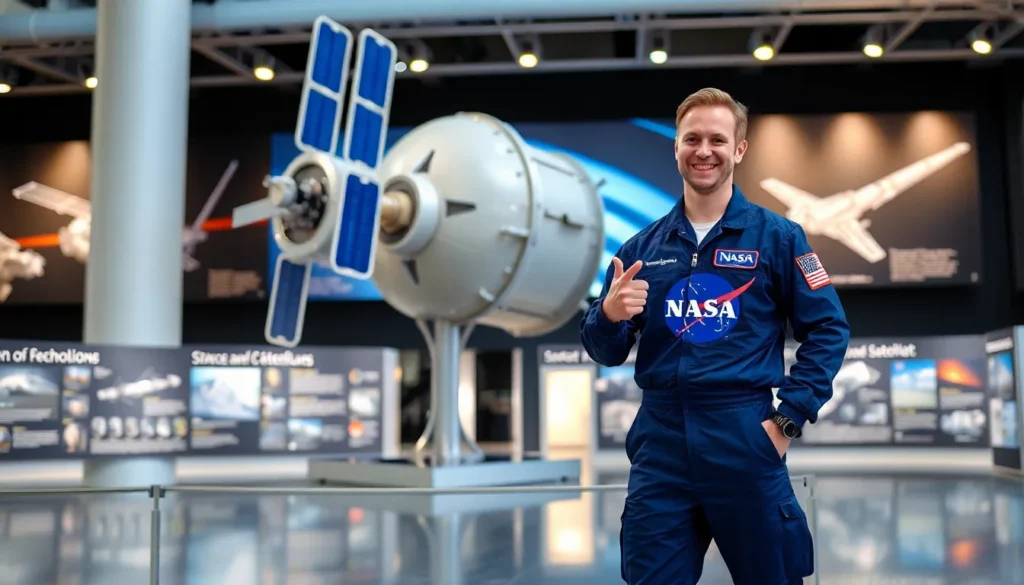



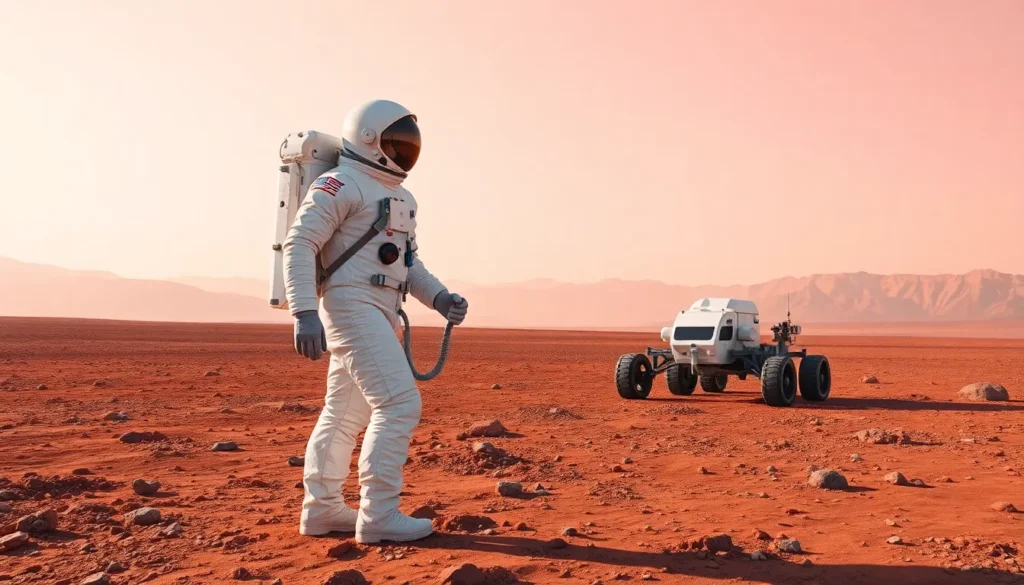
The allure of Mars has captivated humanity for centuries. From ancient stargazers dreaming of red planets to modern scientists plotting interplanetary escapades, the quest to explore Mars is more than just a journey—it’s a cosmic adventure waiting to unfold. Picture this: astronauts bouncing around in spacesuits, sipping Tang while dodging space dust bunnies. Sounds like a sci-fi blockbuster, right?
Overview of Mission to Mars
Mars exploration involves multiple missions that aim to study the planet’s environment and potential habitability. Agencies like NASA and SpaceX focus on sending humans to Mars by the 2030s. Missions include robotic landers, orbiters, and rovers designed to gather detailed information.
NASA’s Perseverance rover, launched in 2020, conducts astrobiology missions. It collects samples to analyze signs of ancient microbial life. The rover also tests technologies for future human exploration, including oxygen production from carbon dioxide.
SpaceX’s Starship is pivotal for crewed missions to Mars. The spacecraft focuses on transportation and reusability, crucial for sustained human presence. SpaceX plans to conduct its first crewed mission within the next few years, aiming to establish a permanent base.
International collaboration is essential for Mars exploration. Partnerships between space agencies enhance resource sharing and technology development. Joint missions create opportunities to pool scientific expertise and accelerate project timelines.
Upcoming missions from the European Space Agency and others aim to explore Martian surface geology and climate. They will provide insights into water history and future habitability. Ongoing research focuses on addressing radiation exposure, life support systems, and spacecraft design for long-duration missions.
Mars serves as a platform for advancing human knowledge about the solar system. Exploration efforts encourage developments in technology, sustainability, and human adaptability. Each mission contributes significantly to the collective understanding of planetary sciences.
Historical Context
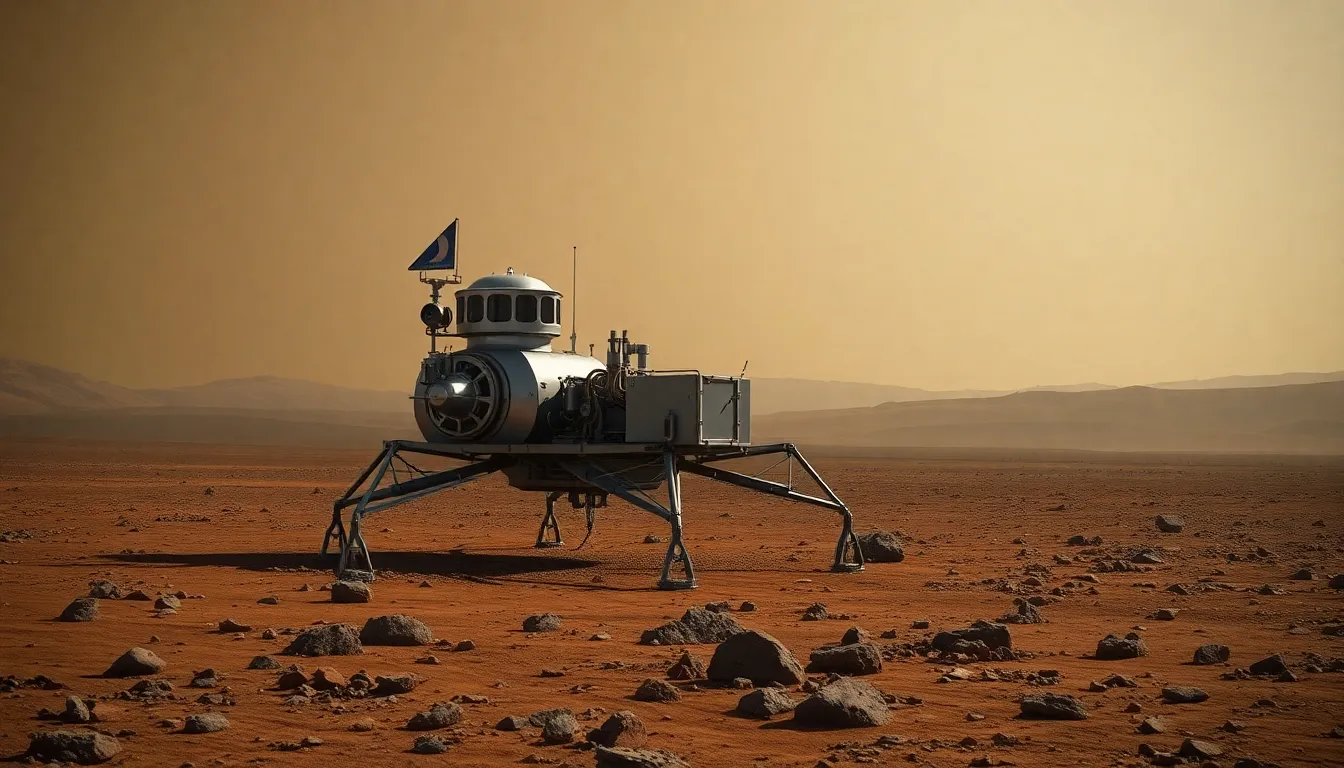
Humanity’s quest to explore Mars showcases a rich history from ancient stargazers to modern space agencies. This journey continues to unfold with increasing ambition for the Red Planet.
Early Mars Missions
Mars exploration began with flybys and orbiters in the 1960s. The Soviet Union’s Mars program launched missions like Mars 2, which became the first spacecraft to land on Mars in 1971. NASA’s Viking program followed in the 1970s, delivering the first successful landers equipped with cameras and scientific instruments. Viking 1 and Viking 2 provided critical data on the Martian surface. These foundational missions laid the groundwork for future exploration and stirred public interest in the possibilities of life beyond Earth.
Key Discoveries
Mars missions have unveiled significant findings that reshape understanding of the planet. Viking landers detected signs of Martian soil composition, hinting at the potential for past life. Discoveries by the Mars Global Surveyor revealed evidence of ancient river valleys and lake beds, indicating a wetter climate in Mars’ history. The Curiosity rover identified organic molecules and fluctuating methane levels in the atmosphere, raising questions about microbial life. Each discovery deepens knowledge about Mars and informs strategies for future human habitation.
Current Mission to Mars Initiatives
Various initiatives are actively shaping humanity’s quest to explore Mars. Notable among them are NASA’s Perseverance rover and SpaceX’s ambitious colonization plans.
NASA’s Perseverance Rover
NASA’s Perseverance rover plays a crucial role in the exploration of Mars. Launched in July 2020, it landed on the Red Planet in February 2021. This rover conducts astrobiology research, searching for signs of ancient life. Equipped with advanced technology, Perseverance collects rock and soil samples, which future missions will retrieve for Earth analysis. The rover also tests innovations like the MOXIE instrument that converts Martian CO2 into oxygen, aiding potential human habitation. Data from Perseverance contributes significantly to understanding Martian geology and climate, further informing upcoming human exploration efforts.
SpaceX’s Mars Colonization Plans
SpaceX aims to revolutionize Mars colonization with its Starship spacecraft. Development began in earnest to facilitate crewed missions by the mid-2030s. This fully reusable vehicle is designed to transport astronauts and cargo to Mars efficiently. SpaceX envisions creating a self-sustaining city on Mars, tapping into local resources for life support. The ambitious timeline includes sending the first crewed missions to test habitats and resource utilization. By prioritizing sustainability, SpaceX seeks to make human life on Mars a reality, driving advancements in interplanetary travel.
Scientific Goals and Challenges
Missions to Mars focus on uncovering the planet’s mysteries while confronting significant challenges. Scientists target specific objectives that shape the exploration landscape.
Search for Life
Exploration seeks to find signs of past or present life on Mars. The Perseverance rover plays a critical role by searching for ancient microbial life in areas once covered by water. It collects rock and soil samples for future analysis on Earth. Curiosity’s previous findings of organic molecules and methane fluctuations raise compelling questions about life on Mars. Instruments like the SHERLOC are designed to identify biosignatures, offering a deeper understanding of Mars’ potential habitability.
Technological Hurdles
Technological advances are pivotal for successful Mars missions. Spacecraft design must ensure safe landing and long-term operation in extreme conditions. NASA’s MOXIE technology demonstrates converting atmospheric CO2 into oxygen. Energy production and resource utilization on Mars remain research priorities. Communication systems are essential for managing interactions between Earth and Mars, reducing delays during missions. Challenges include life support systems that must sustain crew members during extended stays, ensuring both safety and comfort.
Future of Mars Exploration
Mars exploration is poised for transformative advancements, targeting human presence and long-term scientific engagement.
Potential Human Colonization
Human colonization of Mars presents immense opportunities. SpaceX’s Starship aims to facilitate crewed missions as early as the mid-2030s. This spacecraft allows for efficient transport of astronauts and cargo to Mars. Establishing a self-sustaining city relies on utilizing local resources for life support and habitation. The initial focus lies on testing habitats during early missions. Successful resource utilization can significantly enhance the chances of sustained human life. Strategies include growing food and harnessing water sources from the Martian environment. As agencies like NASA and private companies collaborate, ambitious plans unfold for the future of human society on Mars.
Long-Term Research and Development
Ongoing research on Mars focuses on uncovering its history and potential for habitability. Missions like NASA’s Perseverance rover emphasize astrobiology, searching for signs of ancient life. Long-term objectives include collecting samples from diverse geological formations for analysis. These studies drive advancements in understanding the planet’s climate and geology. Collaborations with international space agencies bolster resource sharing and technological progress. Continuous upgrades in spacecraft design and life support systems are vital for mission success. Instruments like SHERLOC improve the identification of biosignatures, contributing to understanding Mars’ potential for supporting life.
The mission to Mars embodies humanity’s relentless pursuit of knowledge and exploration. As technological advancements pave the way for future missions, the dream of colonizing Mars inches closer to reality. With agencies like NASA and SpaceX leading the charge, the potential for human life on the Red Planet is becoming increasingly tangible.
International collaboration will play a pivotal role in overcoming the challenges that lie ahead. Each mission contributes not only to the understanding of Mars but also to the development of sustainable technologies that could benefit life on Earth. As the journey continues, the excitement surrounding Mars exploration is sure to inspire generations to come.