




In a world where satellites are the new superheroes, orbital technology is taking center stage. Imagine a realm where machines zip around Earth faster than your morning coffee can brew. This isn’t science fiction; it’s the reality of how we communicate, navigate, and even watch cat videos.
From GPS systems guiding lost travelers to satellites capturing stunning images of our planet, orbital technology is the unsung hero of modern life. It’s like having a trusty sidekick in the sky, ensuring everything runs smoothly while we go about our daily chaos. So buckle up as we explore the fascinating universe of orbital tech, where innovation meets the cosmos in a spectacular dance of science and engineering.
Overview Of Orbital Technology
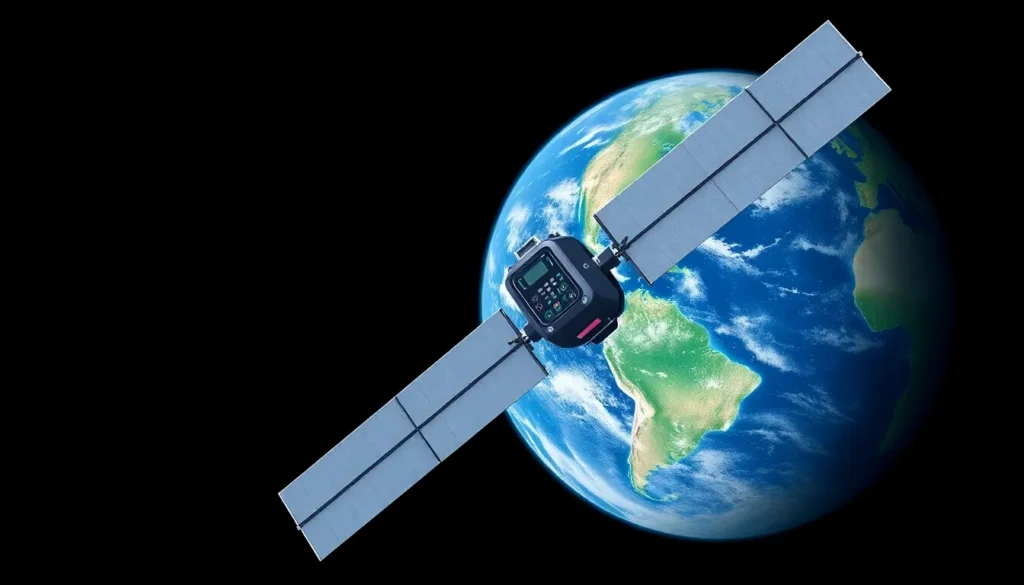
Orbital technology encompasses the systems and devices that operate in Earth’s orbit. This technology plays a crucial role in communication, navigation, and scientific research. Satellites serve as the backbone of this technology, providing vital services to individuals and organizations.
Various types of satellites exist, including geostationary, polar, and low Earth orbit satellites. Each type serves specific functions. Geostationary satellites maintain a constant position relative to Earth, benefiting telecommunications and broadcasting. Polar satellites follow a north-south orbit, commonly used for Earth observation and weather forecasting. Low Earth orbit satellites offer advantages for remote sensing and internet connectivity.
Satellite constellations significantly enhance orbital technology’s capabilities. These networks optimize coverage, allowing seamless services across vast areas. A prominent example includes SpaceX’s Starlink, which consists of thousands of small satellites providing global internet coverage.
Launch vehicles are another essential aspect of orbital technology. They transport satellites into space and include various types, such as expendable and reusable rockets. Reusable rockets, like SpaceX’s Falcon 9, reduce the cost of access to space while increasing launch frequency.
Emerging innovations continuously shape orbital technology. Miniaturization leads to smaller, more efficient satellites. Advanced propulsion systems improve maneuverability and extend mission lifespans. Autonomous systems reduce dependency on human operators, enhancing mission efficiency.
Orbital technology encompasses diverse components that enhance modern life. Its applications span from improving navigation systems to revolutionizing communication capabilities. The ongoing advancements in this field promise to further embed orbital technology in everyday activities.
Key Components Of Orbital Technology
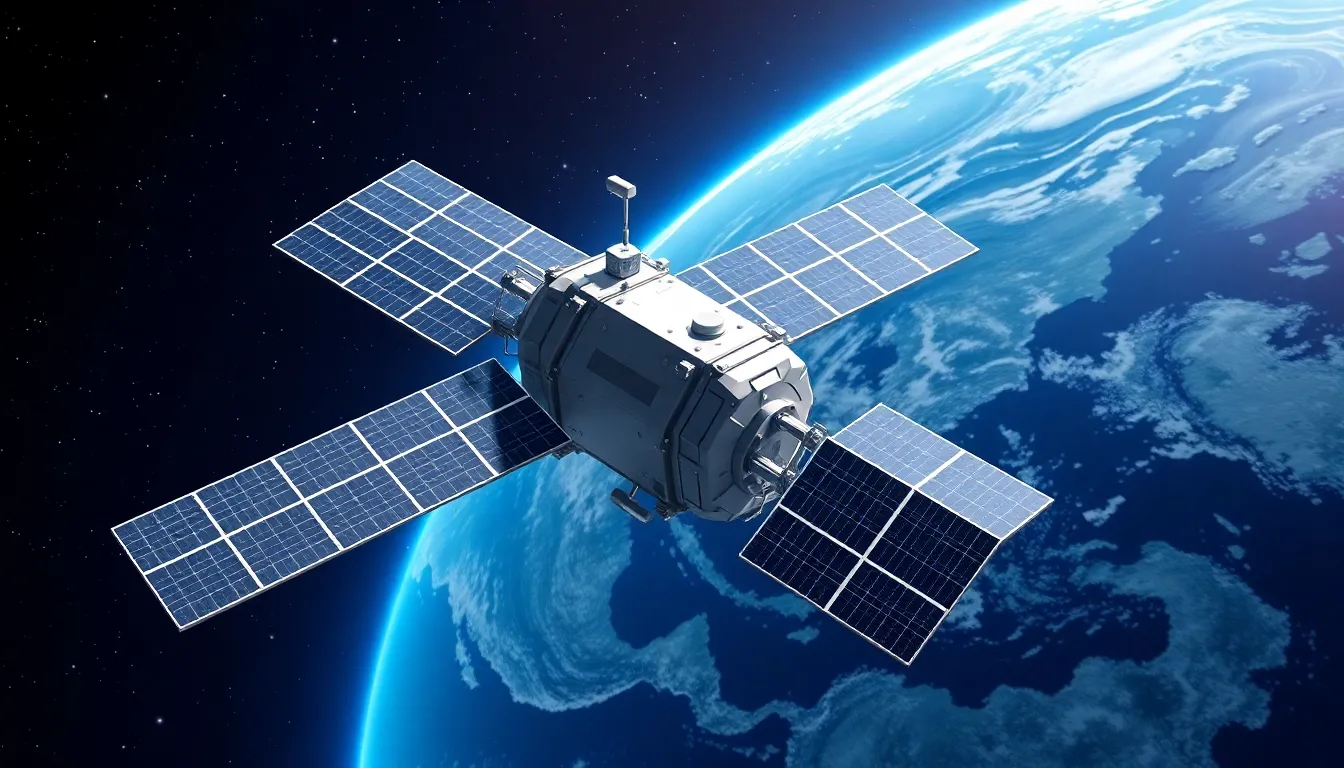
Orbital technology relies on several key components that work together to deliver crucial services. Understanding these components highlights their interconnected nature.
Satellites
Satellites form the core of orbital technology. Geostationary satellites maintain a fixed position above Earth, facilitating consistent communication. Low Earth orbit satellites deliver high-resolution images for Earth observation. Polar satellites enable global coverage, orbiting the planet from pole to pole. Each type serves unique functions, such as telecommunications, navigation, and weather forecasting. The growing use of satellite constellations, like SpaceX’s Starlink, enhances internet service and decreases latency for users worldwide.
Launch Vehicles
Launch vehicles play a critical role in deploying satellites into orbit. Rockets transport payloads to various altitudes, ensuring they reach their designated orbits. Reusable rockets, such as SpaceX’s Falcon 9, significantly reduce launch costs and increase accessibility to space. Various rockets are designed for different missions, including heavy-lift capabilities for larger payloads. Innovations in propulsion systems continue to boost efficiency and reliability during launches, optimizing satellite deployment strategies.
Ground Systems
Ground systems support satellite operations through monitoring and data processing. These systems include antennas and control centers that facilitate communication between satellites and ground stations. Commands are sent from ground stations to manage satellite activities, while data received is processed for various applications. Advanced software systems enable real-time analysis and decision-making, contributing to improved satellite performance. Coordination between ground systems and satellites ensures seamless functionality across diverse orbital applications.
Applications Of Orbital Technology
Orbital technology serves a wide range of applications that significantly impact daily life and global activities. Key areas include communication, Earth observation, and scientific research.
Communication
Satellites play a fundamental role in facilitating global communication. Geostationary satellites provide reliable broadcasting services for television and radio. Low Earth orbit satellites, like those in mega-constellations, enhance internet connectivity, allowing remote areas access to information. Telecommunications companies leverage satellite networks to improve mobile coverage and ensure uninterrupted service during disasters. Enhanced data transfer speeds result from advanced satellite technologies, further integrating communication systems.
Earth Observation
Earth observation satellites collect vital data for environmental monitoring and management. High-resolution imagery enables the tracking of deforestation, urban growth, and climate change impacts. Agricultural practices benefit from satellite data, optimizing crop management and resource allocation. Disaster response efforts rely on Earth observation satellites to assess damage and coordinate aid activities. These observations contribute to scientific research and policymaking affecting natural resources and urban planning.
Scientific Research
Scientific research significantly benefits from orbital technology through space exploration and data collection. Satellites monitor cosmic phenomena and gather information about the Earth’s atmosphere. Missions to study other planets expand our understanding of the solar system. Researchers utilize satellite data to analyze patterns in climate and weather, improving forecasts. Instruments aboard these satellites provide crucial data for experiments that advance knowledge in multiple scientific fields.
Challenges And Future Trends
Orbital technology faces significant challenges that impact its growth and efficiency. High launch costs hinder access to space, limiting opportunities for new and smaller companies. Space debris poses another threat, with thousands of pieces orbiting Earth, increasing collision risks for operational satellites. Regulatory hurdles also complicate the deployment of satellites, as various countries impose different regulations affecting international cooperation.
Emerging trends indicate a shift toward more sustainable and efficient practices in orbital technology. Miniaturization of satellites enables smaller, more cost-effective missions, maximizing payload capabilities while minimizing expenses. Advanced propulsion systems, like ion thrusters, enhance fuel efficiency, extending mission durations and reducing the environmental impact. Autonomous technologies are now being integrated into satellite operations, improving navigation and data collection processes.
Growing interest in satellite constellations highlights the future of global communication and internet access. Companies like SpaceX and Amazon launch massive numbers of low Earth orbit satellites to provide widespread coverage and enhance connectivity. These networks promise to bridge the digital divide, particularly in underserved areas.
Further developments in artificial intelligence and machine learning enhance data processing, creating efficient systems for interpreting satellite imagery. By analyzing vast amounts of data, new applications emerge in climate monitoring, disaster management, and urban planning. Collaborative efforts among governments, private entities, and international organizations aim to develop frameworks for responsible space use.
Investment in research and development fosters innovation in the orbital technology sector. Increased funding supports breakthrough ideas, paving the way for advanced satellite systems and launch vehicles. These advancements suggest that orbital technology will continue to evolve, addressing existing challenges while embracing new opportunities for expansion.
Orbital technology is transforming the way society interacts with the world. Its impact is felt across various sectors including communication, environmental monitoring, and scientific research. As advancements continue to emerge, the potential for improved connectivity and data accessibility grows.
Investments in innovative solutions will be crucial in overcoming current challenges. The future of orbital technology promises to enhance global communication and address critical issues like climate change and disaster response. With ongoing developments in satellite technology and launch capabilities, the possibilities are limitless. Embracing these advancements will ensure that orbital technology remains a vital component of modern life.